

What to Eat for Healthy Skin: An Esthetician's Guide

No serum works in isolation. Skin is an organ, and it gets its building blocks from what you eat. Here's the nutrition side of skin health — the part estheticians are trained to raise gently with clients, without stepping into medical territory.
Omega-3 Fats for a Calmer Barrier
Omega-3 fatty acids help skin cells hold moisture and are consistently linked to lower inflammation, which matters for redness and breakout-prone skin. Fatty fish like salmon, sardines, and mackerel are the richest sources; for plant-based options, walnuts, ground flaxseed, and chia seeds do the job.
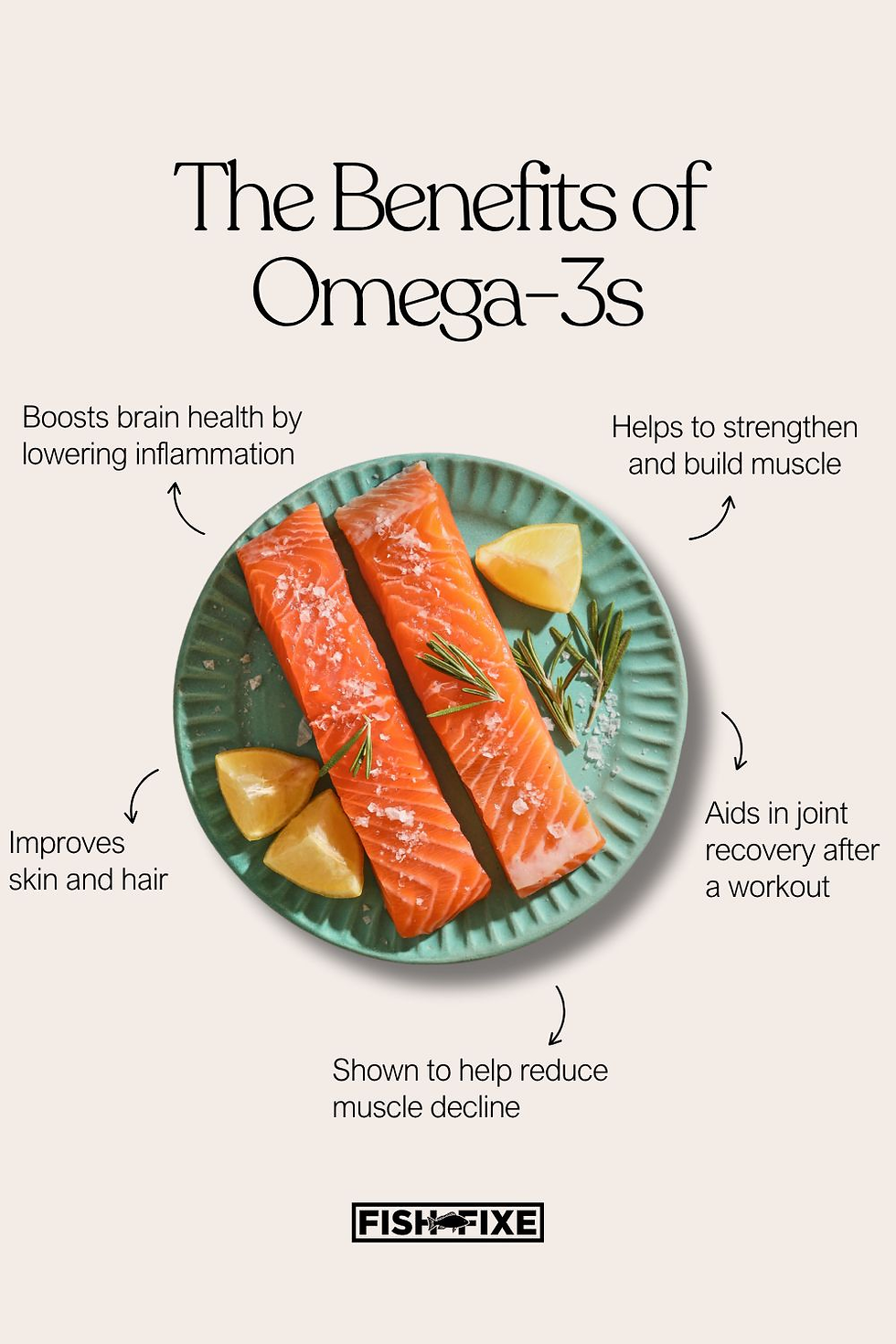
Source: Fish Fixe
Antioxidants and Vitamin C for Brightness and Repair
Free radicals from UV exposure and pollution damage skin cells over time, and antioxidants help neutralize them. Vitamin C in particular supports collagen production and repair — find it in bell peppers, citrus, strawberries, and other berries. Tomatoes bring lycopene, and leafy greens add another layer of antioxidant support.

Source: Pinterest
Vitamin A and Beta-Carotene for Cell Turnover
Vitamin A is central to how skin renews itself, and a diet short on it often shows up as rough, flaky texture. Your body converts beta-carotene from orange and yellow vegetables — sweet potatoes, carrots, butternut squash — as well as dark leafy greens.

Source: tfs
Zinc and Healthy Fats
Zinc plays a role in wound healing and in managing inflammatory skin conditions; pumpkin seeds, lentils, chickpeas, and shellfish are easy sources. Monounsaturated fats and vitamin E from avocado, olive oil, and nuts help keep the skin's lipid barrier supple.

Source: glowbynatasa
What's Worth Easing Up On
The pattern matters more than any single food. Diets heavy in refined sugar and high-glycemic carbohydrates can spike blood sugar and drive inflammation, which some people notice in their skin. Alcohol dehydrates and triggers inflammation too. None of this means eliminating anything — it means looking at the overall balance.
Diet Supports Skincare — It Doesn't Replace It
Food is one input among many, alongside sun protection, a consistent routine, sleep, and professional treatments. Persistent or painful skin conditions belong with a dermatologist, not a diet change. Knowing where that line sits is part of what AIM Beauty Academy's Esthetics Program teaches students in Charlotte, NC: how to have a useful lifestyle conversation during a consultation, and when to refer a client on.
Learning to Read the Whole Picture
In AIM's student clinic, consultations cover more than the surface — skin type, barrier condition, routine, and lifestyle all factor into what a student recommends. Training on real clients under instructor supervision is where that skill stops being theory.
Curious how skin really works from the inside out?
Explore the Esthetics Program at AIM Beauty Academy in Charlotte, NC
Call or text 704-523-4834.


Comments